
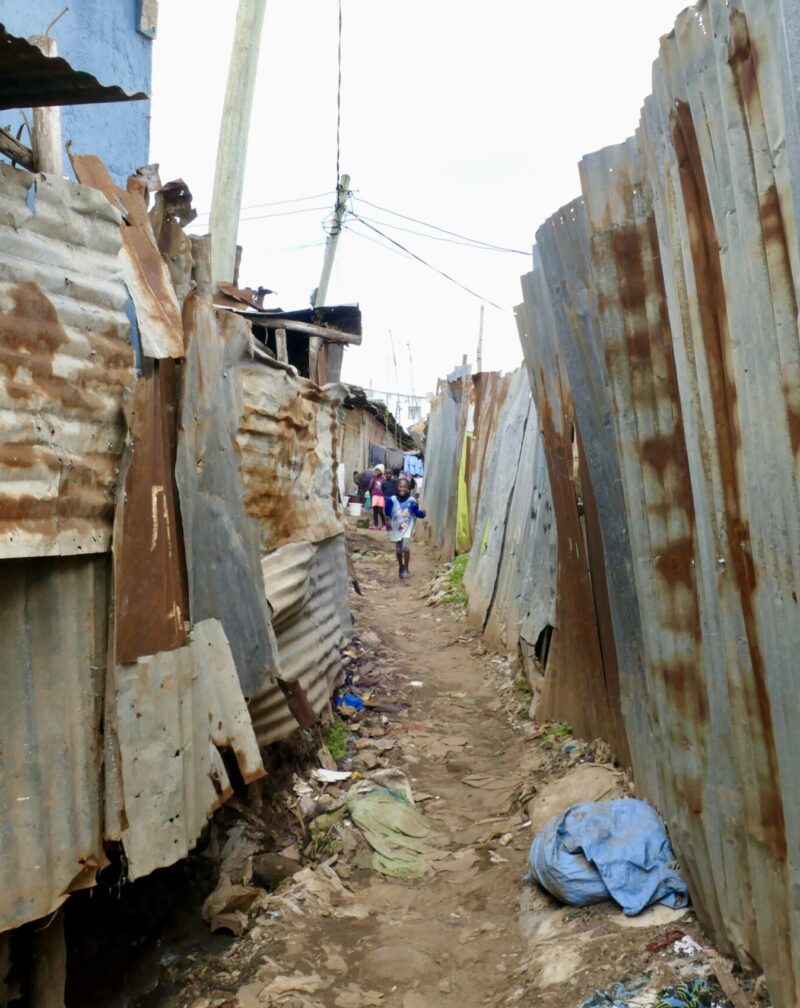

100% for the Children is an international NGO working with local communities in Kenya to improve education, child protection, health and climate resilience. In Kibera, many families rely on irregular, low-paid work, making it difficult to build financial stability and provide secure futures for their children.
The challenge explores how waste can be transformed into products, services and local businesses that create more stable incomes and greater financial independence for caregivers, while supporting a cleaner and more climate-resilient community.
Challenge track winner: Team Phoenix
Student teams’ solutions to the challenge:
Team Phoenix
Emma, Lanelle, Leo and Mai.
Team Wone
Sára Júlia Eszik, Mia Blackwell Gonzalez, Anmol Agarwal and Letícia Nakada.
Team Waste to Wealth
Augustina, Sebastian, Julius, Mohd. Mahdiussaman, Johanna and Shetu.
Team Kibera ReBeads
Nityapriya Hari Krishnan, Hanna Larios, Ashraf Mahmoud and Alicia Kelpert
Team Waste for Taste
Jose Manuel Martinez Soriano, Maria Gaito, Mona Hein Larsen and Dumitru.
Team Plastaka
Pamela Roldan, Sama Lasheen, Natalia Rojas C., Sourav Dehury and Lourdes Salazar.
