OpenInnovation

  • Denmark faces a rising health challenge as unhealthy diets and increasing obesity contribute to cancer, the country’s leading cause of death. Although the Official Dietary Guidelines offer clear direction, a significant gap remains between recommendations and the everyday choices young consumers make in grocery stores. To address this, the goal is to inspire and empower young people to choose healthier, climate friendly foods. The challenge is to rethink the grocery shopping experience so that nutritious choices become the natural and attractive option.


  • Parkinson’s disease is rapidly increasing worldwide and causes complex, fluctuating motor symptoms that severely impact daily life. As the disease progresses, patients shift unpredictably between ON and OFF states and may develop involuntary movements, making their condition difficult to manage and understand. Today, these fluctuations are measured through patient reported motor diaries, which are burdensome, subjective, and unable to capture the true variability and severity of symptoms. This lack of accurate measurement makes it harder to evaluate new treatments and slows progress for people living with advanced Parkinson’s disease.

  • Digitalization is rapidly transforming healthcare, but many patients – especially those arriving acutely in Emergency Departments – struggle to use the digital tools now required to access information, communicate with staff, or navigate their care. Older and more vulnerable citizens are disproportionately affected, and research shows that nearly half of acutely admitted ED patients have difficulty using smartphones or understanding digital information. As hospitals introduce more digital workflows, remote consultations, and bedside technologies, the risk grows that these patients will be excluded. This widening digital divide threatens equity, dignity, and the sustainability of future healthcare delivery, making it crucial to develop digital solutions that accommodate the full range of patients’ abilities and needs.

  • Thyroid disorders are common yet often overlooked chronic conditions that disproportionately affect women during their working years. Symptoms develop gradually, are easily misattributed, and frequently lead to delayed diagnosis and reduced quality of life. Although treatment is lifelong, thyroid hormone levels fluctuate over time, while care relies on infrequent clinical measurements. This gap leaves patients with persistent symptoms, clinicians with limited real-world insight, and society facing avoidable health, economic, and gender-inequality consequences.

  • Catapult Projects is a design studio that applies a democratic design approach focused on diversity, inclusion and creative co-creation with citizens to strengthen local neighbourshoods. Catapult has partnered with Technology Leaving No One Behind – an initiative focused on making inclusion and accessibility a natural part of engineering at DTU.

    A long-neglected neighbourhood faces the dual pressures of deep-rooted social issues and increasing climate-related flooding. A multi-year initiative has been set up to explore how inclusive, democratic design methods can drive both environmental resilience and meaningful social transformation.

    Technology Leaving No One Behind.
  • DTU Aqua, Denmark’s largest marine research institution, presents a challenge in collaboration with EU sister institutions under the NID4OCEAN initiative. The EU has set the ambitious goal of reaching carbon neutrality by 2050 and has also taken a world-leading position on biodiversity, aiming to halt biodiversity loss by protecting 30% of European seas.

    Expanding protected areas and offshore renewables will require more than “business as usual”—which is why NID4OCEAN has been tasked by the European Commission with identifying novel ideas for nature-inclusive designs (NiDs) for future floating offshore wind farms in European waters.

    4 Ocean, logo.
  • Marine ecosystems are being transformed by pressures we barely understand. Unlike terrestrial environments, which have benefited from centuries of scientific study, our understanding of the ocean remains limited and uneven. Marine ecosystem knowledge gaps have a significant impact on the quality of decision-making and the speed at which society can counter biodiversity loss. Marine environments often remain a data desert, forcing policymakers to choose between inadequate protections or disruptive bans. Could shipping contribute to changing this situation?

    Den Danske Maritime Fond, logo.
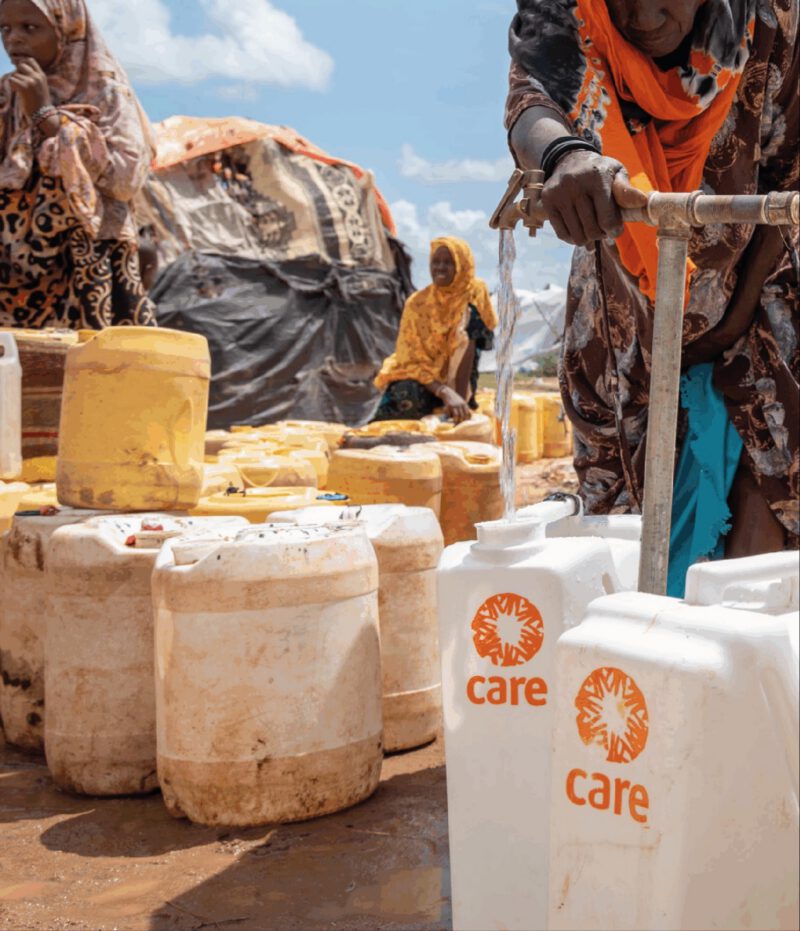
  • CARE Danmark is a green aid organisation working with a focus on climate, innovation and market-based solutions to identify, test, and scale locally driven climate solutions that benefits the most climate vulnerable populations in the Global South.

    Globally, climate change escalates humanitarian needs while the past decades’ level of public humanitarian aid is on rapid decline. This calls for new approaches that reduces dependency on public funds and instead build on market-based approaches to mobilize private capital to drive humanitarian impacts at scale.

    Fonden for Entreprenørskab.